

Unlocking African markets: the strategic role of the cultural and creative economies
Updated: 2 days ago
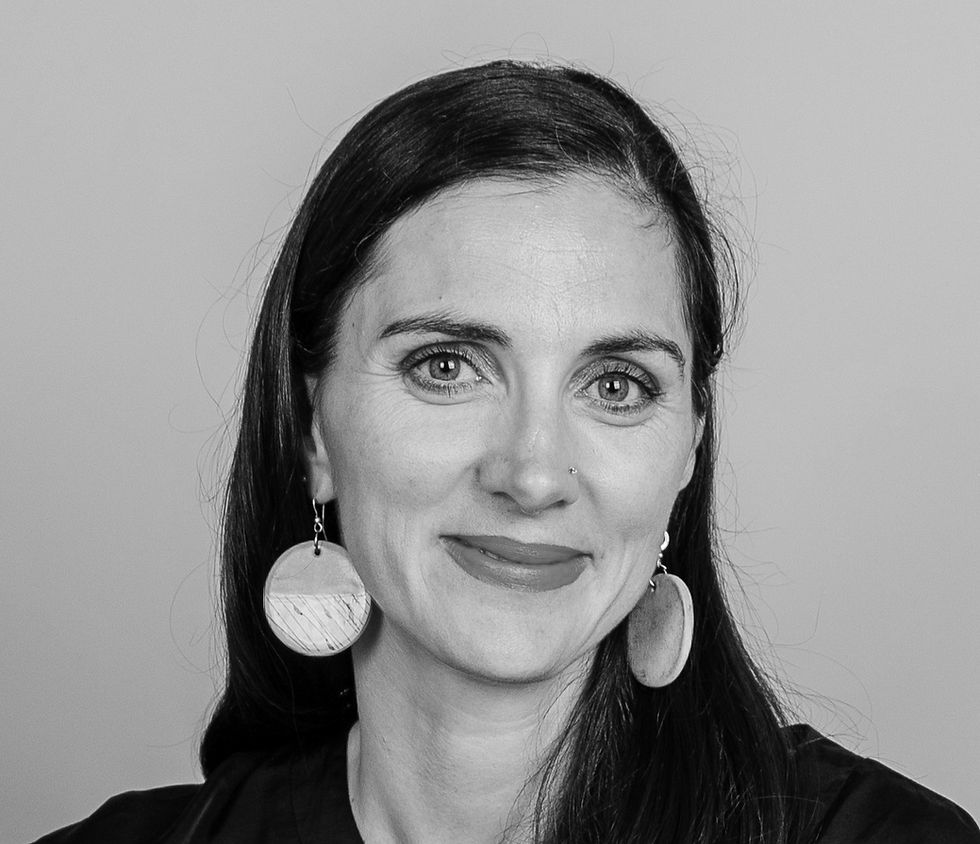
Insight Connect is an initiative where we welcome a range of international and local experts to share their views, experience, and insights on cultural intelligence and why it matters. In this episode, I'm connecting with Kathrin Schmidt. Kathrin is a senior consultant in the creative and cultural sectors with a very specific focus on African markets.
Together, we'll be exploring the shifts in the creative and cultural economy, specifically in Africa, and how this represents opportunities for global businesses and brands.
Transcript
int!: Welcome, Kathrin. It's a pleasure to have you with us today.
KS: Hi, Melanie, and thank you for having me. It's a pleasure to be here as well. Thank you for inviting me to discuss all these interesting questions with you.
int!: Brilliant. Thank you so, so much. So, as you know, culture is a very broad concept, and one that encompasses many layers, and means different things to different people.
And we, in fact, have both built our careers on culture, but we come from two different perspectives. Your expertise focuses very much on the overarching concept of culture when it comes to the arts, which in effect influences behaviours and trends, which is where I come from, effectively. So, to start with, could you tell us a bit more about your story and how, why, when you landed in this space, and particularly why a focus on the African continent?
KS: Yeah, I guess I always had an interest in arts and culture in the narrow and broader sense. I did my first degree in French and Cultural Studies, and then did a Masters in Arts Management, and that's how I started my career in this field, working mainly with theater companies and festivals.
And then in my mid-20s, I moved to Sierra Leone where I worked with a theater company and this was my first experience of working in the cultural and creative industries in Africa. Then, as a result of this experience that I had while living and working in Sierra Leone and all the kinds of questions that came up during that time with regards to the cultural sector in Sierra Leone, in West Africa, and Africa more broadly, but then also looking at the bigger ecosystem.
I just got really interested in all these different layers and influences tha shaped the sector. And so as a result of all these questions I had, I embarked on a PhD on the political economy of cultural and creative industries in Sierra Leone and West Africa more broadly.
So yeah, I've been sort of thinking and researching this topic for a long time. And then, so halfway through my PhD, I moved from working in arts management to consulting in the cultural and creative industries. First, mostly in the UK because I was doing my PhD in London. And then, 10 years ago, I moved to Kenya.
And so since then, most of my work has been across Africa, working with international organizations mostly on strategy, program development, mapping and impact studies. And I think, it's just also a really exciting time to be involved in this sector in Africa because it's moving very quickly. It's changing very quickly. There's a lot of dynamism, and a lot of especially young creative entrepreneurs doing really exciting things. So I think it's quite an exciting time for the sector in Africa.
int!: You went from west to east, so quite a lot of differences I would imagine. And the work you saw, the creativity and the projects must be really fascinating. So, actually from your work and experience, what do you see as the most overlooked contribution that the cultural and creative sectors can bring to sustainable development on the continent?
KS: That's a question that is really very close to my heart. And a lot of the work that I do sits at this sort of interconnection between culture, creativity and sustainable development. And I think one of the most overlooked contributions of culture and creativity to sustainable development in Africa, but I would say even beyond in other regions, is culture's role in building social infrastructure.
And this includes building trust, a sense of belonging, but also a capacity for collective action because I think often when we talk about sustainable development, the focus is on economic growth or job creation, or kind of physical infrastructure. And of course it's true that the creative economy also creates jobs and also provides livelihoods for a lot of people. But I think what is much less recognized is, that culture really shapes this relational fabric that makes development possible in the first place. And I think that's also why it is so important to recognize that we need to think of development as very locally specific and we always need to think about the local value, and I think only a very kind of culture sensitive approach to development can achieve that. And I see that a lot in the projects that I work on, you know. Cultural and creative practices do create spaces where people can engage across difference, where people meet who otherwise would not meet, where they negotiate identity, but where they address challenges or where they rebuild trust.
And I think this is really, really important, especially in contexts of inequality or fragmentation. And unfortunately, a lot of African contexts are marked by quite a lot of fragmentation or continuing inequality. So I think this is a really foundational point: without trust and this sense of belonging, but also sense of community, institutions struggle to function and then civic participation remains limited as well.
And then all of that affects development outcomes. So I think that's a really important point that we really need to think about: culture-sensitive development and locally-meaningful development values as well. The second point I'd like to make, it's very closely linked to the first point that I made is that a culture really represents a system of knowledge and innovation. And in many African contexts, culture is a way of producing, transforming and transmitting knowledge. In that sense, I think cultural and creative practitioners are often mediators between these kinds of big global frameworks and local realities. And arts and culture and creative practitioners can really help to translate complex issues, for example, around climate change or public health into locally meaningful actions and thinking.
So I think, it is this sort of dual role of culture that is often overlooked. On the one hand, creating these social conditions for development, but also really providing ways in which societies understand and respond to challenges. And I think all these dynamics are also why we see this renewed momentum recently to establish a dedicated goal for culture in the post 2030 development agenda. Because in the current sustainable development goals, there is no of standalone specific goal for culture and the current kind of discourse, which by the way, has been going on for at least two, three decades. There have always been phases where UNESCO and other international bodies really advocated for this value of culture.
But I think that if culture is not included in our global development frameworks, then there is a risk that this value and this transversal role of culture is overlooked and that culture really is a fundamental driver of sustainable development. Culture does not just support development. It's not just a vehicle for development by utilizing theater for development, by spreading messages. I think culture really underpins development at a global and a local level.
int!: I agree with you. Despite being in a separate area of culture, I think it's been overlooked too often for too long. But I really like the ideas of community and trust that you mentioned, because culture feeds into community, that sense of community, and so does sustainable development effectively. It's funny, I see this in how you're speaking about this [culture] as a sort of informal glue that sticks all the parts together and makes it work. So to your point, it's not just about the few elements here and there or the messages that it brings. It's about how it acts as a glue to make it all work. And the idea of innovation and a system of knowledge I really enjoy hearing because I say this a lot. And I've been doing a bit of work on nomad, nomadic culture and the nomad mindset, and it's exactly what I put forward: that nomads have always been cultural curators, and they were the ones bringing innovation back from wherever they were going and heading.
And there's no reason why this should change in the more modern era because effectively by mixing all of this knowledge together, you bring something that really sticks together. So I really like what you're saying. So, going back to effectively what we're talking about.
How do you feel cultural intelligence would help businesses move beyond a donor/recipient sort of mindset into building more partnerships with the African creative and cultural sectors, and generate these partnerships that are mutually beneficial? What are your thoughts on this?
KS: I think as, as we both agree, cultural intelligence can play a huge role and critical role in shifting this engagement between businesses and the African creative ecosystems. But I think it can only really happen if, as you say, we move away from this kind of donor donor-recipient model to more mutually beneficial and equitable partnerships.
And I think this can only happen if cultural intelligence is really understood as a strategic and organizational capability, not just an individual skill. And I think it can only happen if cultural intelligence is also really embedded in business strategies, for example. I think the problem is, or I think the reason why this hasn't maybe happened as much as we would hope for is because I think these dynamics of power relationships and asymmetries in knowledge and agenda setting they still persist. I think maybe the first step is really to shift our focus from thinking about, as a business, how do we deliver support to really move to asking how can we engage effectively in a complex existing ecosystem.
And I think that those are just a few strategic shifts and steps that need to happen to move towards this kind of more beneficial partnership. I wrote down a few notes in terms of the steps that I would like to see. The first one is really to move from this notion of transferring knowledge to a mutual exchange because I think in a lot of international collaboration settings or international initiatives, there is often still this non explicit, but maybe implicit assumption that there is a one-direction flow of knowledge or expertise.
I would say culturally intelligent organisations recognise that African creative ecosystems are rich in very context specific local nuanced knowledge and also innovation and interesting practices and maybe different ways of working. And I think the first point is really sort of engaging with that knowledge and engaging with that very nuanced understanding of a local context, which then I think is critical for, for example, developing products or narratives or branding strategies that actually then resonate in that very specific context.
Linked to that then is a second shift that needs to happen. Moving from more traditional CSR to really an understanding of co-creation. This really means working with creative practitioners as partners, in shaping, for example, brand narratives, customer engagement or even product development.
Because I think it's really important to recognise that these African creative ecosystems, they're not just sites of impact, they're really sources of very nuanced understanding and insight. And then I thirdly, and again, this is linked to the previous two points, I think it's also really important to move from pre-designed ways of doing things or pre-designed strategies or products or programs, whatever a business is working on to really embedded collaboration.
We have seen that in global development for decades now that these kind of one size fits all models just don't work, they fail. And I think it's the same for businesses in a more commercial context that product placement, for example, just will fail if it is insufficiently grounded in local realities.
This is where cultural intelligence comes in because it really means designing with local partners and with local creatives and producing this shared ownership over objectives or formats and outcomes.
A fourth point that I'd like to make, and it's quite an obvious point, but unfortunately it doesn't happen enough: it's really moving from this kind of short-term delivery to longer-term engagement and even maybe engagement within the wider ecosystem and moving away from this kind of short project-based work to longer-term ecosystem engagement.
Because I think especially in the creative ecosystems, trust is a very critical currency. We talked about the trust earlier when we talked about this relationship between culture and sustainable development. And I think obviously trust can't be built through one-off very short interventions.
This kind of longer-term engagement really leads to stronger partnerships and that then also obviously positively affects more sustainable and effective business outcomes.
And then, the last point I want to make, and again, it's kind of linked to the others and it rounds up the others, but I think that often partnerships are shaped by external priorities and agendas such as short-term branding objectives or in the development sectors, it's around reporting objectives. And that ties in with what we talked about earlier, about the value of culture in general. I think cultural intelligence really highlights the importance of this kind of meaningful local value and that then in turn really strengthens legitimacy and relevance and long-term impact that businesses can have as well.
In summary, I would say that cultural intelligence really can enable a shift from a more transactional relationship or engagement to a mutually beneficial and co-creative partnership where both sides are recognised as contributors to innovation, for example, and not just beneficiaries of some type of support.
int!: All the entrepreneurs of this world know the only way to succeed is to look far ahead and into the future. And in fact, someone I interviewed recently was talking about how they have a 500-year business plan, which I thought was brilliant because there's such a sense of legacy in terms of what they're trying to achieve with their businesses.
So yeah, I completely agree. And the qualitative element balancing out the quantitative one is also very important.
Looking at things in a more concrete way, could you share perhaps one or two examples of initiatives that have been really fruitful in this space where the collaboration with the local cultural and creative sector has really been beneficial for some businesses, whether it be looking at market development, brand building or community relations?
Do you have some examples that you could share whether you've contributed to them or not?
KS: I would say one of the most powerful roles of the cultural and creative sector in Africa is really this ability to act as a bridge between businesses and contexts, and between communities and customers.
Because they can really provide this really deep nuanced market insight and really shape culturally-resonant brands and also enable more meaningful community engagement. I think there are lots of examples we could, discuss, but I think the first one I'd like to highlight is quite, I would say, a well-known example around building brands and cultural relevance because a lot of global brands like Nike, for example, have collaborated in the past with African designers and creatives to really shape products and campaigns that reflect local aesthetics and identities.
And I think this is not just about an attempt of localization. It's really about drawing on these creative ecosystems, on this creative expertise that exists locally as sources of innovation and cultural insight, which I would argue then ultimately also strengthens the global brand relevance overall.
So I think the key insight from first example is really that creative practitioners can bring a level of cultural nuance and understanding that often I would argue traditional market research can't capture. And then I think the second example I would like to give is a more locally relevant example to me here in Nairobi. It's around market insight and community engagement in relation to sectors like urban development or infrastructure and in cities like Nairobi, and all the big cities like Lagos, for example, real estate developers and urban initiatives work with cultural organizations and creative practitioners to activate, for example, public spaces to create a different narrative around a specific area or a specific, space through festivals or exhibitions, or maybe more community-led cultural programming.
And, and so for example, here in Nairobi, where I live, there's a very established, well-known creative hub called The Godown Arts Center. And The Godown Arts Center has played a huge and really important role in, for example, shaping how communities engage with development processes in specific areas, and in particular around the area where this creative hub is placed.
So I think for businesses, and I would argue it doesn't matter what kind of business they are, but I think for businesses, this kind of collaboration really provides real-time insights into community dynamics, and aspirations and concerns, while at the same time building trust and legitimacy, which we discussed earlier, is so crucial.
This example brings me back again to what I said earlier, that I think artists and cultural organizations are often seen as more trusted and accessible intermediaries than, for example, some corporate actors or public institutions. And I think this is really important, especially in contexts where trust in institutions is low or where trust in certain types of businesses is limited.
What these examples highlight is really that collaboration with the creative sector and cultural intelligence are not just about visibility. It's really about these very nuanced insights about creating connections and about building trust and legitimacy.
int!: It's interesting because on this side of the world there's a lot, and particularly, I mean, I work with the UK market quite a lot, at an international level but with UK brands and agencies, and culture is an absolute buzzword and everyone is trying to find ways to find their space in culture, what's their role in culture, and yet those partnerships don't happen very regularly.
So, it's really interesting. And I think again it's probably because sometimes people miss out on the value that it's actually bringing to the brand and not seeing it, to your point earlier on, as a strategic foundation as opposed to just another activation, so to speak.
So in terms of wrapping up, I was thinking we could potentially look at the future, and to see your view in terms of if we were to look into 10-15 years away from now, what do you feel would be the ideal relationship between businesses and the African cultural and creative settings, and how companies should be looking at this already. What are the steps to be put into place to create those partnerships that we mentioned earlier on?
KS: Yeah, looking ahead to kind of 10-15 years, I would say an ideal relationship between businesses and the creative ecosystems across Africa would mean moving away from this more traditional sponsorship and this more conventional approach to CSR and moving more towards deeper long-term integration, where creative ecosystems are really recognised as a strategic partner in innovation, in market development and also a broader kind of social impact.
Key shifts that I would say would need to happen to move towards this, as we discussed, seeing creative ecosystems as co-creators, co-innovators and not just beneficiaries. Moving away from this short-term project engagement to really thinking about engaging with the broader ecosystem.
And I think that it's particularly important because if companies, for example, invest in the broader ecosystem through infrastructure, skills, development networks and platforms, that strengthens the ecosystem, which then in the long term is also beneficial to these businesses because it creates stronger connected systems and not just this kind of one-off interventions.
We also discussed the importance of developing a sense shared value, this mutual benefit and also shared accountability. I think that's also really, really important. And then I guess, to your question, how do we get there though?
Because this all sounds very nice, but what does it mean in practice and how do we actually get there? I would say overall it comes back to what I mentioned earlier about positioning cultural intelligence as a strategic asset to a business and not just as a nice to have.
And this really means repositioning CSR from just philanthropy to a strategic investment. Because, I think in the first instance, for example, businesses could really use CSR to explore what deeper collaboration can actually look like to run some pilots and experiment and see what also works in different contexts.
What can this kind of mutually beneficial, equitable relationship look like in Kenya, in Nigeria, in Sierra Leone? I would argue the first step could be using CSR as a mode of experimentation. And then linked to that is a shift from this conventional model of funding to designing a partnership and involving partners such as creative practitioners from the get-go in shaping, an approach, in shaping a strategy, in shaping products, in shaping success metrics as well.
And obviously all of this needs longer term engagement and building this trust. Another step that is really important is also investing in intermediaries and platforms because we see that now already in a lot of African contexts that the most effective collaborations are enabled by cultural organisations or hubs or networks that can really bridge businesses to individual practitioners, but also communities.
Supporting these intermediaries is also a longer term sustainable approach than just funding isolated individual projects. And I would say finally, the last step is embedding learning loops. So, really using these engagements and these partnerships as opportunities also to build their own cultural intelligence so that it's really like a learning loop where insights about markets are about audiences, about customers are captured. And then that feeds into the next cycle of partnerships and collaborations and to really use these insights sustainably and in the longer term.
In summary, I would say that the goal is to move away from this conventional approach to CSR to culture as a strategic capability within a business.
int!: Thank you so much, Kathrin, this is a really good way to finish, to conclude and to wrap it up. I think there is a lot of untapped opportunity, on the African continent as a whole and I like to be optimist; I think even from a business perspective, a lot of companies will soon realise how much the continent is growing, including demographically because it's one of the youngest continents and it has a lot of potential for the future.
I think historically this gap in cultural intelligence is what has blocked businesses from doing this and expanding, and I'm very hopeful that this will change in the future. And hopefully that will be through cultural intelligence and in the cultural spaces in general. That will be the solid foundation to bring all of this together.
So thank you again, Kathrin, for your time today. It's been really interesting and to those watching, this is Insight Connect, where cultural intelligence lands, and so it did again today. There will be more interesting exchanges, so watch this space. Thank you very much.
KS: Thank you, Melanie.
It was a real pleasure, and I enjoyed our discussion. Thank you.